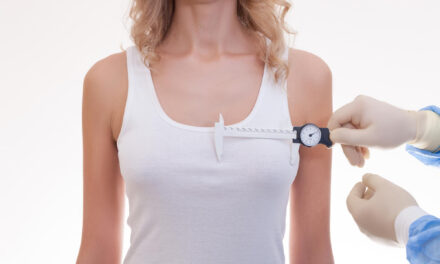
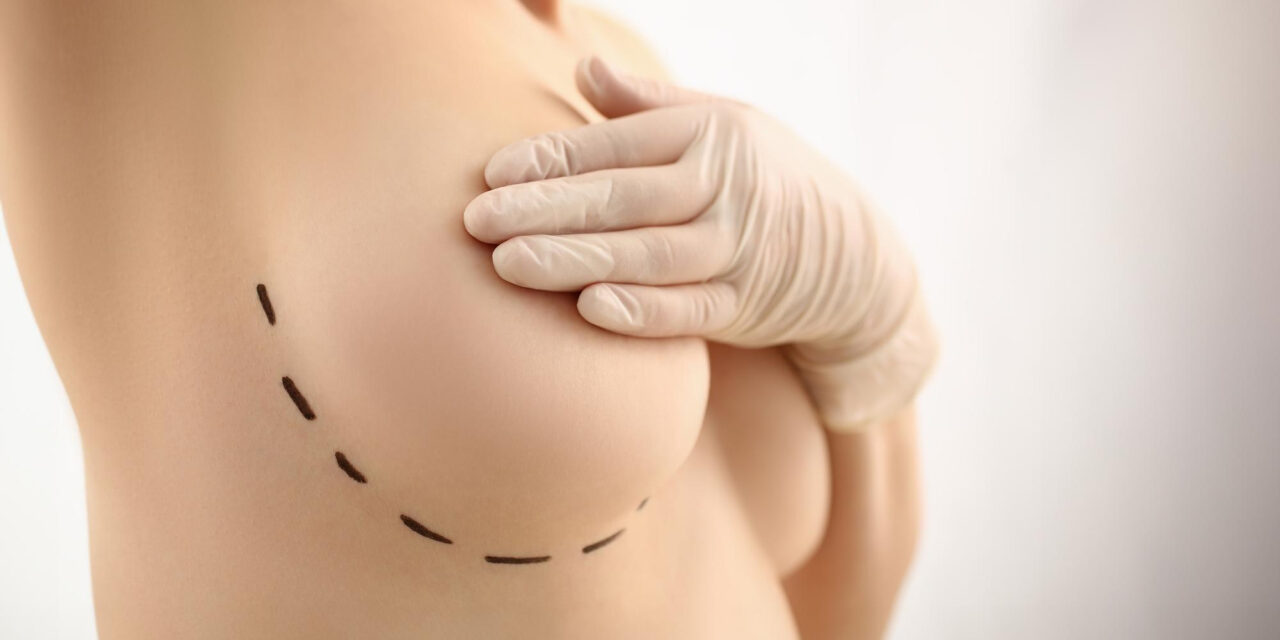
Searching for breast lift before and after pictures usually starts with a simple hope: show me what this operation really looks like. The trouble is that a photo is a flattened record of one person on one day, and it can say very different things depending on when it was taken, how the person stood, which way the light fell and who was chosen for the gallery. This page has no patient photos on purpose. It has no invented cases, either. Instead, it teaches you how to evaluate the breast lift before and after photos you will meet on clinic websites, social media and in a consultation room, so you can separate useful evidence from persuasion.
Breast lift surgery, medically called mastopexy, repositions the breast and removes excess skin so the breast sits higher and the nipple-areola complex points in a more forward position. It is a surgery about position, shape and the skin envelope. It is not primarily a surgery about size. Many disappointing conversations begin when a photo of a lift combined with an implant, or a lift performed on a very different body, gets mistaken for what a lift alone does for the viewer.
The sections below move in a deliberate order. First comes what a lift can and cannot change, because you cannot judge a result without knowing what the operation is built to do. Then the clock, since the same breast looks different at three weeks, six months and three years. After that come photo standardization, how to read nipples, areolas and scars, why comparable anatomy matters, the consent and advertising rules that sit behind patient photos, and finally a consultation framework you can bring to a qualified surgeon. For deeper treatment of subtopics, the article points to the complete breast lift guide and several narrower pages in the same series.
Two caveats frame everything that follows. This is general education, not a personal assessment, and nothing here tells you whether you are an appropriate candidate. And photographs are a supporting tool rather than a verdict: they cannot show nipple sensation, comfort, how a person feels about her body, or how a result changes across years. They are one input among several, alongside a surgeon’s training and credentials, a frank discussion of risk, and your own goals.
What a Breast Lift Can and Cannot Change
Every useful comparison of breast lift results begins with the job description. If you don’t know what a mastopexy is designed to change, you can’t tell whether a photo shows success, a limitation of the operation, or a different operation altogether.
Position, shape and the skin envelope: what mastopexy is designed to do
Think of the breast as a gland and fat sitting inside a skin container. Over time, through pregnancy, weight change, aging and heredity, the container can stretch while the contents shift downward. A lift addresses the container and the position of the contents.
Mastopexy terminology: nipple-areola complex, inframammary fold and skin envelope
A few terms show up in nearly every surgeon’s caption, so they are worth learning. The nipple-areola complex is the nipple and the darker skin around it. The inframammary fold, often shortened to IMF, is the crease where the underside of the breast meets the chest wall. The skin envelope is the skin that covers the breast tissue, and the parenchyma is the glandular tissue inside it. When photo captions mention “lower pole,” they mean the portion of the breast below the nipple.
The American Society of Plastic Surgeons (ASPS) describes a breast lift as raising the breasts by removing excess skin and tightening surrounding tissue so the new contour is supported. During surgery, the nipple-areola complex is repositioned to a higher, more natural-looking height, and an enlarged areola can be reduced. In practice, that means a good before-and-after comparison should show change in three places: where the nipple sits relative to the fold, how much skin hangs below the nipple, and how the lower breast is shaped.
Notice what that list leaves out. It does not include cup size, upper-pole fullness, or how the breasts look in a bikini top that was chosen to flatter. Those can shift as a side effect of repositioning tissue, but they are not what the operation is built to deliver. When you study breast lift before and after images, keep your eye on nipple height, skin redundancy and lower-pole shape first.
The ASPS has also reported that mastopexy is a high-volume operation in the United States. Its 2025 statistics report lists 156,131 breast lift procedures for 2025, compared with 144,003 for 2024, an increase of 8 percent. Popularity matters for one reason here: it means gallery photos exist in abundance, including a lot made for marketing rather than for education.
What a lift does not do: volume, upper-pole fullness and the role of implants or fat
The ASPS states plainly that breast lift surgery does not significantly change breast size or round out the upper part of the breast. If someone wants fuller breasts, the society notes that a lift can be combined with augmentation; if smaller breasts are the goal, a lift can be combined with a reduction. Those are different operations, with different incisions, recovery and risks, even when they are scheduled on the same day.
This is where photo interpretation goes wrong most often. A gallery page labeled “breast lift” may mix lifts alone, lifts with implants and lifts with fat grafting. The upper chest in the “after” picture may be fuller because a device or transferred fat added volume, not because tissue was repositioned. A clinician teaching resource from the American Academy of Cosmetic Surgery makes the underlying anatomy point bluntly: implants do not lift a breast, and a low nipple before augmentation tends to remain low afterward. So if a photo shows noticeable upper fullness, ask what else was done.
If you are looking at implant cases, the Food and Drug Administration (FDA) keeps current information for people considering breast implants, including its recommended boxed warning and patient decision checklist in labeling, and it states that implants are not lifetime devices. Those points belong to the implant decision, not the lift decision, and they are covered separately in our guide to FDA breast implant safety information. For implant-focused galleries, our page on breast augmentation before-and-after photos applies the same evaluation habits to those results.
Volume can also change without any new surgery. The ASPS notes that significant weight loss can reduce breast volume, while the skin may not shrink in proportion. Photos taken years apart, or before and after major weight change, mix two effects: the operation and the body’s own changes. Ask whether a patient’s weight was stable between photos.
Ptosis grading: the vocabulary behind many photo captions
Clinicians use the word ptosis (pronounced TOE-sis) for sagging, meaning the breast and nipple have descended relative to the chest wall. Grading systems turn a visual impression into a shared vocabulary, which is useful when you look at photos because captions and surgeon discussions often use it.
The Regnault classification in plain English
The most widely cited system is the Regnault classification, named for the plastic surgeon who proposed it in the 1970s. It grades ptosis by where the nipple sits relative to the inframammary fold and the lowest point of the breast. Published descriptions vary a little in wording, so the table below shows the concept in simplified language rather than a measurement standard.
| Category | Nipple position as commonly described | What it can mean when you compare photos |
|---|---|---|
| Pseudoptosis | Nipple at or above the fold, with breast tissue hanging below the fold | Looks like sagging, but the nipple is not low. Lift needs and options may differ from true ptosis, so a gallery of pseudoptosis cases may not resemble a lower nipple. |
| Grade 1 (mild) | Nipple at the level of the fold | Smaller nipple movement is usually involved, so a modest visible change can be expected in a similar case. |
| Grade 2 (moderate) | Nipple below the fold but above the lowest contour of the breast | Often shows more skin removal and a larger nipple move; incision choice is more likely to be a discussion. |
| Grade 3 (severe) | Nipple below the fold and at the lowest point of the breast | Greatest nipple move and skin excess; scars and recurrence of sagging deserve extra attention in photos. |
That table borrows the logic from several clinical sources that describe the classification, including a 2024 textbook chapter on mastopexy with augmentation and a 2022 educational presentation from the American Academy of Cosmetic Surgery. Some references use measured distances instead, such as a nipple roughly within a centimeter of the fold for mild ptosis or several centimeters below it for severe ptosis, and others add a separate category for glandular ptosis, where the gland slides down while the nipple stays comparatively higher. Because the wording differs from source to source, treat any grade you see in a caption as shorthand and ask the surgeon how they define it.
Why grade matters when you compare breast lift before and after photos
Grade drives much of what happens in the operating room: how far the nipple must travel, how much skin is removed, and which incision pattern is considered. Two people who both say they want a lift can have quite different starting points, and photos of a mild case tell you little about a severe one. A modest change in a photo of a mild case isn’t a poor result; it may be exactly what the anatomy allowed.
It also works in reverse. A dramatic transformation in the gallery may reflect a severe starting point, large skin excess or a combined procedure, not a technique that would produce the same drama for someone whose breasts are closer to the fold. For reading photos fairly, ask three questions of any single case: What was the grade or starting nipple position? Was it a lift alone? Is the person’s starting anatomy anything like mine?
Grading has limits you should know about. A photo is two-dimensional, the pose affects where the nipple appears to sit, and two clinicians may grade the same breast differently. That’s one reason why a surgeon who grades your breasts in person, standing and relaxed, will often say more than any photo can. Our guide to breast lift results covers what outcomes tend to look like across anatomies; this page stays focused on how to read the evidence you are shown.
Timing: When a Breast Lift Photo Was Taken Changes What It Shows
The same breasts can look noticeably different at two weeks, six months and three years. A gallery that doesn’t say when each “after” photo was taken is asking you to guess, and guesses tend to run optimistic. Timing is the single most overlooked variable in breast lift before and after comparisons.
From the operating room to the first year
Healing after mastopexy unfolds in overlapping stages: early swelling and bruising, a gradual softening and settling of the breast shape, and slower maturation of the scars. Photos from each stage tell a different story, and none of them is wrong. They simply answer different questions.
Early photos: swelling, bruising and a shape that has not settled
According to the ASPS, dressings or bandages are applied to the incisions after surgery, patients wear an elastic bandage or a support bra to limit swelling and support the breasts as they heal, and a small, thin tube may be placed temporarily to drain excess fluid. A photo from the first days or weeks therefore often shows surgical dressings or a compression garment, tape over the incisions, bruising, and breasts that look different from how they will eventually rest.
Clinicians commonly describe early results as looking high, tight or rounded in the upper area, with the lower breast still firm from swelling. The ASPS does not publish a specific swelling timeline on its breast lift pages and tells patients to ask their own surgeons what to expect, which is itself a signal: the pace varies from person to person. Be wary of any gallery that presents one-week or two-week images as the finished result. They show the fresh surgical change, which is useful for understanding the operation, but they don’t tell you how the breast will look once the tissue relaxes.
It helps to read early photos for a different purpose: checking whether the incision pattern matches what the surgeon described, whether the nipple-areola complex looks well supplied and positioned, and whether the two sides are broadly in balance. Those observations don’t depend on the final shape. For conclusions about the final shape, look for photos from later in recovery.
Settling, “bottoming out” and scar maturation across months
After the first weeks, swelling gradually fades and the tissue settles. Surgeons use the phrase bottoming out for a lower-pole descent in which the breast gland slides below the nipple again; one clinical presentation lists it among recognized complications of mastopexy and equates it with glandular ptosis. A small amount of natural settling is a normal part of how a repositioned breast comes to rest, so the practical question for a photo is how much, and whether the picture was taken after that process had mostly played out.
Scars follow their own clock. A 2014 review in the Journal of Korean Medical Science describes wound remodeling as a process that continues for roughly six months after injury, with raised, red scars called hypertrophic scars beginning to fade and flatten over a period that can stretch to about two years. For breast lift photos, that means a scar that looks red, wide or raised at three months is not necessarily the scar the person will have at eighteen months, and a scar that looks pale in a one-year photo may still change.
The medical literature on mastopexy itself shows how short many follow-up windows are. One surgical series on circumareolar versus circumvertical lifts combined with implants followed patients from four months to six years, and a 2025 single-center study reported a range of two to twenty-four months with an average near nine and a half months, taking photographs at three-month intervals. Those are small, specific studies, not benchmarks, but they illustrate a general pattern: what we know about outcomes at one year is much better documented than what we know at five.
When a gallery does show one patient at several time points, read the sequence as a story with a direction. Does the nipple position hold between the six-month and the eighteen-month frame, or does it creep downward? Do the scars narrow and pale, or do they stay wide? Does the lower pole fill out the way it did in the early images? Sequences like this are far more informative than any single polished image, because they show change over time in the same body, under the same conditions, with the same photographer. They are also rarer, since they require a practice to keep photographing patients after the main postoperative visits are over.
| Time since surgery | What a photo may show | Useful question to ask |
|---|---|---|
| First days to a few weeks | Dressings or support garment, tape, bruising, swelling, a firm and sometimes high-looking breast | Is this photo meant to show the final result, or only the immediate surgical change? |
| Roughly one to three months | Less swelling but still unsettled shape; incisions red and possibly raised; sensation and tissue softness still changing | Do you have photos of the same patient at later visits? |
| Roughly three to six months | Shape closer to its resting form; scars still maturing and may look their most visible | How long does your practice usually wait before photographing a result? |
| Roughly six to twelve months | A more representative resting shape; scars often paler but not final | What share of your gallery shows patients at a year or later? |
| Beyond a year | Long-term position, scar maturation and any recurrent sagging become visible; life events begin to matter | Can I see long-term follow-up from patients who had children or changed weight? |
None of the time frames in the table is a promise or a medical standard; they are a reading guide. The most reliable habit is the simplest one: ask for the date interval beside each photo, and prefer galleries that include several time points for the same patient.
Long-term change that no three-month photo can capture
Mastopexy changes the position of tissue; it doesn’t stop gravity, aging, pregnancy or weight change from acting on that tissue afterward. Long-term outcomes are the least photographed and least studied part of the story, which is exactly why they deserve a place in your evaluation.
Recurrent ptosis, gravity and what the research can and cannot say
Recurrent ptosis, meaning the breast and nipple descend again after surgery, is a recognized limitation of lifts. A 2023 clinical review in the Journal of Aesthetic Nursing cites one study reporting that the lift of the nipple-areola complex measured one year after surgery was lower than the immediate postoperative position by about 12.5 to 41.7 percent, averaging 27.5 percent. That figure comes from a secondary description of a single study, so treat it as an illustration of the direction and scale of settling, not a prediction for any individual.
What contributes to sagging in the first place? A 2007 report from a University of Kentucky team, presented at an ASPS meeting, studied 132 women who sought breast lift or augmentation. It found that ptosis severity was associated with age, number of pregnancies and smoking, and it did not find an association with breastfeeding. It was one center, a modest sample, and a conference-stage report, so it’s a data point rather than a final answer. It does suggest that photos of a younger patient with no pregnancies and photos of an older patient with several are not interchangeable.
For the longevity side of the question, our page on how long breast lift results last collects the broader discussion. For photos, the takeaway is practical: a result that looks excellent at a few months is not evidence about year five, and a surgeon who is straightforward about that gap is giving you better information than one who treats every photo as final.
Life events: pregnancy, weight change, aging and hormonal shifts
The ASPS lists pregnancy, breastfeeding, weight changes, aging, gravity and heredity among the reasons breasts lose their youthful shape and firmness. The Journal of Aesthetic Nursing review adds that diminished glandular tissue after childbearing, and volume loss after menopause or massive weight loss, are common reasons people seek lifts. Each of those events can reappear after surgery, and each changes how a breast looks in a way that has nothing to do with surgical skill.
That is why surgeons commonly ask about family planning and weight stability during consultations, and why it can be useful to ask how the gallery handles these cases. If you are thinking about pregnancy, our guide on breast lift after pregnancy explains the planning issues in more detail. For photo evaluation, one question does a lot of work: do any of the patients shown have a documented change in weight or a pregnancy after surgery, and what did their later photos look like?
Also keep in mind the difference between a result that holds and a result that was never tested. An image of a patient at a year tells you little about whether she later had children, lost weight or gained it. Surgeons who show later photos, and who explain what happened to those patients, give you evidence about durability rather than just evidence about the first act.
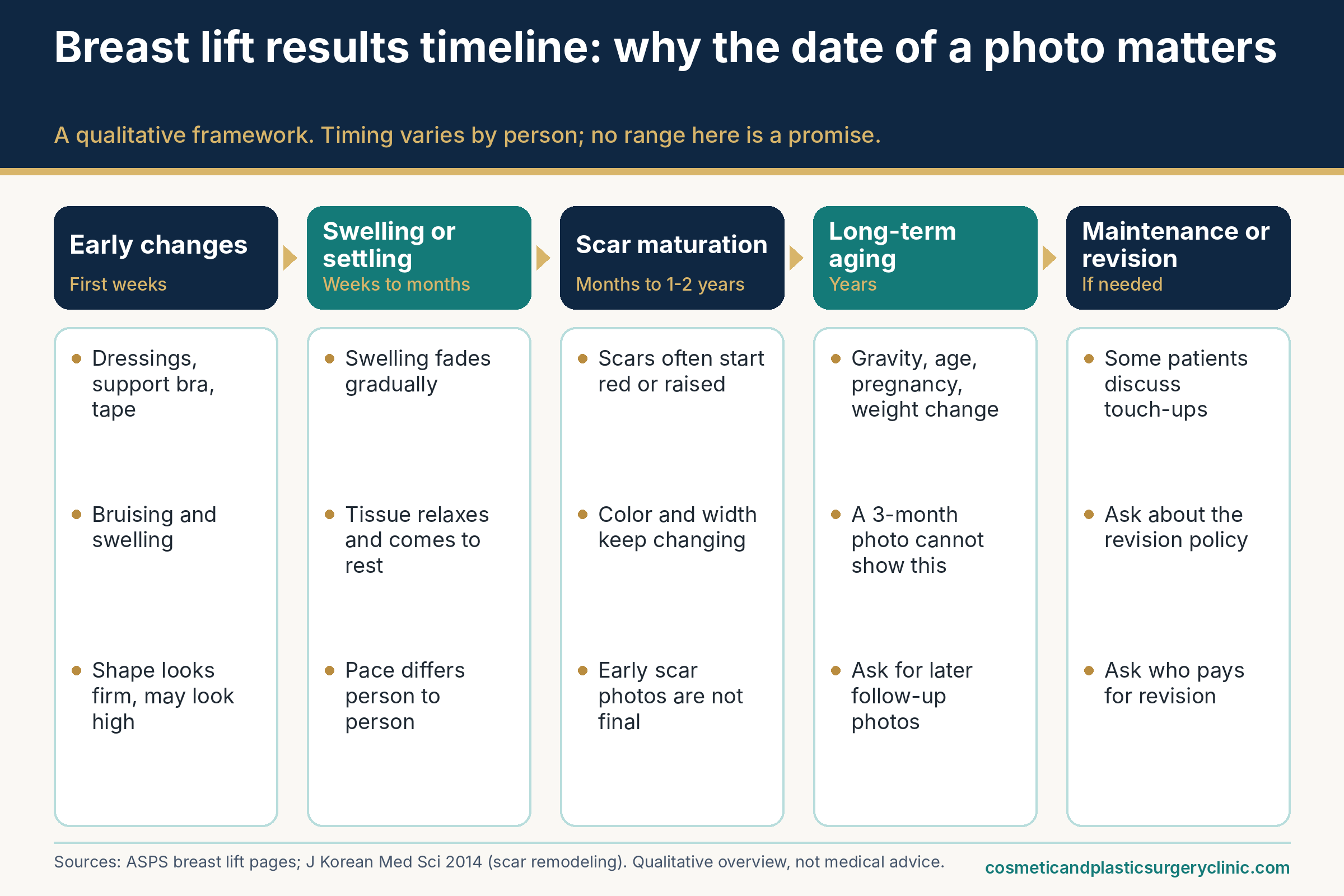
Photo Standardization: What Makes Two Images Fairly Comparable
A fair before-and-after comparison changes one thing between frames: the breast. Everything else, from the camera position to the posture of the person in front of it, should stay as close to identical as a clinic can manage. The more of those variables drift, the less the pair tells you about surgery and the more it tells you about photography.
Camera, angle, light and posture
Clinical photography has its own literature, and its main message has stayed consistent for decades. In 1986, Jemec and Jemec argued in Aesthetic Plastic Surgery that even very small variations in clinical pictures can sharply reduce their value, and in 2007 Persichetti and colleagues wrote in the same journal that practices still struggle to achieve reproducible standardization outside a photographic studio. Reproducibility is the goal; perfection of the equipment is secondary.
Standard views and posture for breast photography
Published protocols for breast photography typically call for a consistent set of views: straight on from the front, a pair of oblique (three-quarter) views, and side profile views. A 2017 protocol in the journal Mastology, written for oncoplastic and reconstructive breast surgery rather than cosmetic lifts, describes standing views with the patient upright, arms relaxed at the sides, and jewelry and clothing that could interfere removed. Those habits transfer sensibly to cosmetic breast documentation, but the source was written for a different surgical context, so treat it as an example of what standardization looks like and not a rulebook for lifts.
Why do the views matter? Because each shows something the others hide. A frontal view shows nipple height, symmetry and areola shape. An oblique view shows projection and the transition between upper and lower breast. A side view is often where lower-pole fullness, nipple direction and the shape of the fold become visible. A gallery that shows only the front view can conceal a great deal, and one that shows the same patient from all three angles before and after is giving you far more to work with.
Posture can quietly rewrite the picture. Raised arms pull the skin of the chest upward and can create a lifted look. Hands on hips tighten the chest muscles. Leaning forward lets the breast hang, while arching the back pushes the chest out and tightens the skin. Rotating the shoulders or hips shifts one breast forward. A shift of a few degrees in one frame can mimic an improvement or hide a flaw, so look for matching arm positions, shoulder levels, weight on both feet, head position and chin level across the pair.
The ASPS website lists a photographic guide for plastic surgery whose stated purpose is to make comparisons of pre-operative and post-operative images meaningful; the full text is sold separately, so this page doesn’t summarize its details. The practical point stands without it. If a practice can tell you what its photo protocol is, it probably follows one.
Lens, distance, height and lighting
Camera choices change shape. A wide-angle lens placed close to the body exaggerates whatever is nearest the lens and can make breasts look larger or more projected, while a longer lens at a greater distance compresses depth. The 2017 Mastology protocol suggests the patient stand about 50 to 90 centimeters in front of a smooth backdrop, the camera sit at the height of the breasts, and a lens of about 50 millimeters be used. If a before photo was taken from above and an after photo from straight on, the nipple can seem to sit at different heights even if it hasn’t moved at all.
Lighting does as much work as lenses. Light from above creates a shadow under the breast, which can make the lower pole look heavier and the fold deeper. Light from the side emphasizes contour and scars. A direct flash flattens the image and can wash out both texture and scar color. In a study of 51 people in a facial photography setting, published in Aesthetic Plastic Surgery in 2021, changing only the height of the light source altered how blinded raters perceived attractiveness, BMI and nasolabial folds when the light reached an angle of about 60 degrees, while smaller angles did not change judgments much. That research concerned the face, not the breast, but it demonstrates the same principle: lighting direction alone can shift what viewers believe they see.
So when you evaluate a pair, check whether the background, wall color, floor markings and shadow direction match. A practice that photographs every patient in front of the same backdrop with the same lighting setup is signaling consistency. Different rooms, different times of day or a before photo taken in a bathroom mirror and an after photo taken in a studio all weaken the comparison.
Everything that can change the picture without changing the breast
Beyond camera settings, a long list of small things can make an after picture look better, or a before picture look worse, than the actual change. Some are innocent. Some are not. You can learn to spot both.
Bra marks, tan lines, makeup, hair and clothing
Strap grooves and underwire marks from a recently removed bra can create shadows and creases that read as skin laxity. A tan line that stops at the swimsuit edge changes where the eye lands. Self-tanner, body makeup or shimmer can smooth skin tone and make scars harder to see, or conversely a very pale before photo next to a tanned after photo can alter the contrast. Hair draped across the chest, pendant necklaces and visible bra straps change the visual frame.
Clothing matters more than people expect. A before photo in a bikini top and an after photo in a seamless bra or nothing at all show different shapes, because garments lift, compress and round the breast. If one picture is clothed and the other isn’t, you aren’t looking at a matched pair. The same applies to compression garments: a support bra in an early after photo changes the profile in a way that will not persist.
Body position is also tied to what the person did before the photo. Someone who exercised, was cold, or had recently been in a hot shower can show differences in skin tone and nipple appearance. These effects are small, but when a gallery selects one version of each, they stack up. A reasonable standard is that every pair is taken under the same conditions with the same undress and the same preparation.
Retouching, filters, mirrored images and AI-generated pictures
Smartphone cameras often apply smoothing, skin-tone adjustment and contour effects automatically, and editing apps can reshape or blur on request. Smoothing can erase scar texture. Warping tools can raise a breast line or shrink a waist. Cropping can remove the side that looks less favorable. Compression and low resolution hide fine detail. The honest version of a clinical photo is unedited, uncropped enough to show both breasts and the chest wall, and consistent in format.
Mirrored images are a subtler problem. A flipped file reverses left and right, so a mole, a tattoo, a birthmark or a scar variation lands on the wrong side. It may be used to reuse one patient’s photos in two places or to make an image look different from the one on another account. Look for reversed lettering in the background, jewelry or a mole that appears on different sides across the practice’s pages, or a known landmark that has swapped sides.
Generated images are the newest problem. An image produced by software may show a plausible body that belongs to no one, and the Federal Trade Commission’s 2024 final rule on reviews and testimonials specifically addresses fake testimonials by people who do not exist, including AI-generated ones. If a before-and-after image has a glossy, uniform look, odd nipple shapes, inconsistent skin texture, unnatural hands or background details, or cannot be found anywhere except a social post that gives no details, be careful. A reverse image search, available through major search engines, can reveal whether the same image appears under several names or clinics.
No single tell proves manipulation, and an unedited photo can still look odd. The strongest safeguard is asking, in person, to see unedited originals or an in-office album of consenting patients and to hear the surgeon describe the photo protocol out loud.
One more limitation is built into the medium: a photograph freezes a single instant. Breasts change shape with position, so a surgeon’s examination in person, with you standing, leaning, and relaxed, collects information that still images can only hint at. Some practices also keep short videos or three-dimensional scans, which can show movement and contour, though they carry the same standardization and consent questions as any other image. Whatever format you are shown, the underlying habits are the same: ask what was held constant, ask what changed, and ask what is missing.
| Variable | How it can distort a comparison | What to look for in a pair | Question to ask |
|---|---|---|---|
| Camera height and distance | Looking down or up and standing closer can change apparent nipple height and projection | Same framing, same horizon and floor line, same crop | What distance and camera height do you use? |
| Lighting direction | Overhead or side light can deepen shadows under the breast and exaggerate or hide scars | Matching shadows on the chest wall and under the breast | Is lighting identical for before and after? |
| Posture and arm position | Raised arms, arching or leaning can lift, tighten or drop the breast | Same arm angle, shoulder level and weight stance | How do you position patients? |
| Clothing and garments | Bras and compression garments reshape the contour | Both pictures bare, or both in the same garment | Are any support garments visible in the after photo? |
| Skin tone, tan and makeup | Tan lines, self-tanner and body makeup hide or highlight scars | Similar tone and no obvious coverage over incisions | Was makeup or tanning product used in any photos? |
| Editing, flipping, AI | Smoothing, warping, mirroring or generation can invent change | Natural skin texture, consistent landmarks, plausible anatomy | Can I see unedited originals in the office? |
Reading Nipple Position, Areola Shape, Symmetry and Scars
Once a pair of photos passes the fairness test, you can start reading what changed. The useful details are small: where the nipple points, whether the areola kept a natural outline, how the two sides compare, and what the scars look like. A good reader moves slowly across the image, one landmark at a time.
Nipple, areola and breast shape cues
A lift is judged first by position and second by shape. Both can be assessed from photos, as long as you keep the limits of two-dimensional images in mind and remember that exact symmetry is not a realistic yardstick for any human chest.
Nipple height, nipple direction and areola size and shape
Start with the nipple. In a pair of matched photos, has it moved from below the fold to a higher position, and does it now sit roughly at the most prominent part of the breast rather than on the lower slope? Does it point forward, or does it angle noticeably upward or sideways? Direction is a detail worth raising with a surgeon, because a nipple that drifts back down toward the fold in later photos can signal tissue settling.
Next, the areola. The ASPS notes that a lift can reduce an enlarged areola, so a smaller, rounder areola in the after photo is consistent with the operation’s design. Look at the outline: is it round, oval, or irregular? Is the border smooth? Periareolar incisions place the scar on that border, and the clinical literature acknowledges the risk of scar widening and areolar deformity with that pattern. A stretched or flattened areola in an after photo may reflect tension on the scar, which is useful to see before you accept a surgeon’s description of the technique.
Photos can hint at some other issues but cannot confirm them. A nipple-areola complex that looks unusually dark or pale in an early photo is the kind of detail a surgical team would want to examine, and the ASPS includes partial or total loss of the nipple and areola among the possible complications of breast lift surgery. It also lists changes in nipple or breast sensation, which may be temporary or permanent. A picture can’t show sensation at all. That is a question for the consultation, and the best galleries come with an honest conversation about it.
Symmetry, contour and the lower pole
Few people begin with exactly matched breasts, and few end with them. When you compare a before and after pair, check whether obvious differences narrowed, stayed the same or widened. Differences in nipple height, breast size, fold height and rib cage shape often persist because they are skeletal or built into the chest wall, not features of the breast tissue. A lift can reduce some asymmetry but cannot rebuild a chest. The ASPS lists asymmetry and contour irregularities among the potential risks.
Then look at contour. Is there a smooth line from the collarbone to the nipple, or a step or ledge? Does the lower pole look rounded and supported, or does it look long, with the nipple sitting high on the mound and the tissue hanging below it? That last pattern is the picture behind the term bottoming out. An educational presentation from the American Academy of Cosmetic Surgery also lists double bubble deformity and fat necrosis among complications, and in the case of combined lifts and implants, the so-called waterfall deformity described in a 2024 chapter on augmentation mastopexy occurs when breast tissue slips over the implant.
Finally, look at the fold. In the after photo, does the inframammary fold sit in a natural position, or has it been shifted so that the breast seems to float? An incision along the fold, which is part of the inverted-T pattern, makes the fold itself a visible structure. Reading it correctly tells you much about both technique and healing.
Incision patterns and scars in photographs
Scars are the price of tightening the skin envelope, and they are often what readers worry about most. The ASPS describes three common incision patterns. Understanding them lets you recognize what you are seeing and ask about the choice.
Periareolar, vertical and inverted-T patterns: how each appears
In a periareolar lift, the incision circles the areola. In a photo, you see a ring around the areola border and, if a larger area of skin was removed, a pucker or gather of skin around it in the early months. The ASPS describes a vertical pattern as an incision around the areola that extends straight down from the areola to the breast crease. This is the “lollipop” many patients mention. An inverted-T, often called the anchor pattern, adds a horizontal incision along the breast crease.
The literature ties patterns to degrees of ptosis, with caveats. A 2024 chapter on augmentation mastopexy describes the periareolar approach as suited to mild to moderate ptosis, with risks of widened scars and areola deformity. The same chapter describes vertical techniques as able to elevate the nipple and correct skin excess, and the inverted-T, or Wise pattern, as better suited to severe ptosis. A 2023 review in the Journal of Aesthetic Nursing says the periareolar approach moves the nipple a limited distance, roughly two centimeters, that vertical techniques can serve any degree of ptosis, and that the inverted-T carries a considerable scar burden but produces predictable results. The ASPS adds that surgeons recommend incisions based on individual anatomy rather than compromising results to minimize scarring.
| Pattern | Where the scar lies | How it is often described in clinical sources | What to check in photos |
|---|---|---|---|
| Periareolar (around the areola) | Ring along the areola border | Used for milder ptosis; limited nipple movement; risk of scar widening and areola distortion | Round areola, flat border scar, no stretched or flattened look |
| Vertical (lollipop) | Around the areola and straight down to the fold | Elevates the nipple and removes skin excess; wide use across degrees of ptosis | Straight, narrow vertical line; no bunching at the fold in later photos |
| Inverted-T (anchor or Wise) | Around the areola, down to the fold and along the fold | Often discussed for more severe ptosis; larger scar burden | Scar tucked into the fold; healed fold line; position of the T junction |
For a closer look at techniques and why a surgeon might choose one, our overview of breast lift techniques expands on the planning logic. In a gallery, a practice that shows all three patterns across different anatomies is demonstrating range. A practice that shows only one pattern may favor it, or may simply have selected its best examples.
Judging scar quality without over-reading it
Four things matter when you look at a scar photo: width, color, position and texture. A narrow, flat, pale line is generally what people hope for. A wide, red, raised or thickened scar may be maturing normally in an early photo or may be a hypertrophic scar that persists. Position matters because a scar that sits within the fold or around the areola border is less conspicuous than one that wanders. Texture matters because a puckered or ridged scar suggests tension.
The timing rules apply with full force here. As the 2014 Journal of Korean Medical Science review explains, scars continue to remodel for months and sometimes up to two years, so a three-month scar photo should not be compared with a two-year photo from another patient. Skin tone, scar-forming tendency and care also vary widely. People with darker skin may see different pigment changes at the scar line, and photos from a single skin tone in a gallery don’t tell you much about your own. Scar photos taken in strong side lighting or with a macro lens can look worse than the scar appears to the naked eye, and those taken in flat, flash-lit conditions can look better.
Remember too that scars are a trade-off the ASPS openly acknowledges: tightening the skin requires cutting it. The question is not whether the scars exist but whether the pattern fits the anatomy and the person understands what it means. For the deeper discussion, including scar care and when revision is considered, see our guide to breast lift scars.
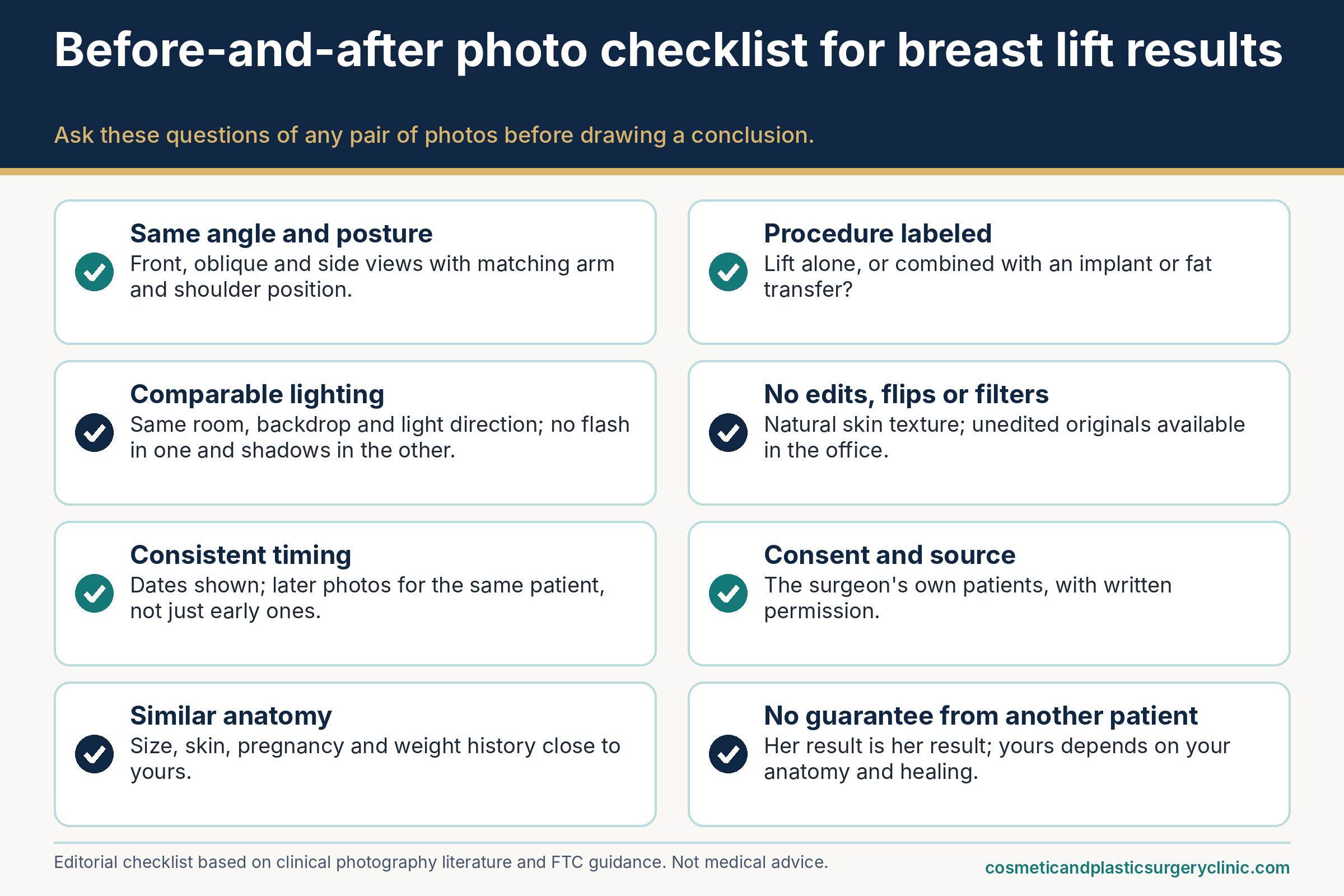
Whose Breasts Are These? Comparable Anatomy, Cherry-Picking and Portfolio Consistency
A technically honest photo can still mislead if the person in it has little in common with you, or if she is one of only a handful of standouts in an otherwise uneven gallery. Two more questions deserve attention after the photography itself: how similar is this patient to me, and how typical is this result of the surgeon’s work?
Comparable anatomy: why a stranger’s result is not a forecast
A 2018 blog post by a member surgeon on the ASPS website, written about breast augmentation galleries but applicable here, advises patients to focus on people who resemble them in body type and starting breast shape, because that gives a more realistic idea of what could be achievable for their own anatomy. It also treats galleries as a starting point that cannot replace an in-person consultation with a board-certified plastic surgeon. Those two ideas shape this whole section.
Size, skin quality, tissue and history: the factors that make patients comparable
Several features determine how well one patient’s result transfers to another. Starting breast volume and shape come first, since a small, firm breast with a mild drop behaves differently from a large, heavy one with significant skin laxity. Ptosis grade, covered earlier, is next. Then comes skin quality: how elastic the skin is, whether it has stretch marks, and how it has responded to past changes. These are visible in photos only partly, and they differ greatly between people.
Reproductive and weight history matter too. Pregnancy count was associated with ptosis in the University of Kentucky study discussed earlier, and the ASPS lists pregnancy, breastfeeding and weight changes as common reasons for breasts losing their shape. Someone who has lost a large amount of weight will often have a different skin-to-volume relationship from someone who has maintained a steady weight. Age and smoking status also appeared in that study, and a clinical presentation on mastopexy points out that nipple necrosis, a serious tissue-loss complication, is a particular concern in smokers, people with diabetes and people with collagen vascular disease. Those health factors don’t show up in photographs at all.
Other variables add complexity: chest wall shape, existing asymmetry, prior breast surgery, whether the person has existing implants, skin tone and tendency to scar. When you look at a gallery, try the following exercise. Choose the three patients who look most like you in size and shape. Then ask what you would need to know about their weight, pregnancy and healing history to treat them as true comparisons. If the gallery contains no one similar, that tells you something too, and it’s a fair question to put to the surgeon directly.
Think of two hypothetical readers. One has a modest drop, no pregnancies and stable weight. Another has had several pregnancies and a large weight change, with significant skin excess. A beautiful result in a gallery of the first kind says very little about the second, and vice versa. Neither is better or worse as a candidate by that fact alone; they are different surgical problems, and a good surgeon will say so.
Why “same result” cannot be promised
Even for two patients with similar anatomy, healing is individual. Tissue settles differently, scars mature differently, and the body responds to stitches, tension and time in ways no surgeon can fully predict. The ASPS states that results are individualized and that patients should discuss the risks and potential complications of their own situation, which include changes in nipple or breast sensation, asymmetry, contour irregularities, poor incision healing, fat necrosis, loss of nipple or areola tissue, bleeding, infection, blood clots and the possibility of revision surgery.
The Federal Trade Commission’s advertising principles point the same way from the legal side. Its health products guidance states that advertisers should not make claims through testimonials that would be deceptive or could not be substantiated if the advertiser made them directly, and it says that attempting to cure an exceptional result with a vague “results not typical” line doesn’t solve the problem. The agency’s endorsement guidance adds that when an endorser’s experience isn’t what people generally achieve, an ad has to make clear what the generally expected results are. For a reader, the simple translation is that a gallery is a set of individual outcomes, not a prediction about you.
It’s also worth remembering what a photograph can’t measure. Satisfaction, comfort, and how a person feels in her body are outcomes that matter, and researchers measure them with patient-reported tools such as the BREAST-Q, which includes a module for reduction and mastopexy. Two people can have similar photos and very different satisfaction, or the reverse. If a surgeon speaks only about the picture and never about how patients felt, ask what the practice knows about its patients’ own reports of their results.
This is why surgeons who are careful with language say things like “a result in this direction” or “an improvement in nipple position,” and avoid promising a specific appearance. If a practice promises you will look like a specific photo, that is a reason to slow down, not speed up. If you want to look further at the range of outcomes surgeons describe, the series page on breast lift risks and complications goes through the downsides in more depth.
Cherry-picking and the shape of a surgeon’s whole portfolio
A practice website is marketing, and marketing selects. Nobody is obliged to show everything, but you are entitled to understand how representative the selection is. The goal is not to catch someone in dishonesty. It is to read the gallery for what it tells you about the typical work, not the best day.
How galleries can mislead without a single edited image
The most common distortion is simple selection. A practice may have performed many lifts, but display a dozen of its most attractive results. Even honest photos then overstate the typical outcome. The effect is stronger when the gallery has few cases, when every patient has a similar body type, or when the featured images are all taken at the same favorable timepoint.
A second distortion is category blending. The label “breast lift” may cover lift alone, lift with implants, lift with fat grafting, and lifts performed alongside other operations. In combined cases, the volume change you see may owe nothing to mastopexy, and the risk profile can differ. Ask whether each case is lift only, and treat any unlabeled gallery as mixed until proven otherwise. The breast augmentation photo guide linked earlier helps with the implant portion of that conversation.
A third distortion is timing. A gallery may show some patients at a few weeks and others at a year without saying so, which makes results look uniformly excellent. Another is the absence of anything unfavorable: no scars that healed widely, no visible asymmetry, no revision cases. Every surgical practice has some results that were less than hoped for, and a gallery with none is either small, curated or selective. Revision happens in the real world, which is why the ASPS lists it among possible outcomes; our page on breast lift revision covers when it is considered.
Finally, watch for borrowed images. Practices sometimes display photos supplied by a device manufacturer, a training course, or a former colleague. A photo that doesn’t come from the surgeon you will see tells you nothing about that surgeon’s hands. If the website doesn’t say whose patients appear in the gallery, ask.
Signs of a consistent, honest gallery
Consistency across many patients is the strongest evidence a gallery can offer. Look for a large number of cases, not just a few, for photographs in the same setting and format, and for results that vary realistically across anatomies instead of looking uniform. The same ASPS-hosted post suggests looking for strong outcomes across diverse body types and notes that repetitive results may signal limited adaptability. If every nipple sits at the same height and every breast has the same shape regardless of starting anatomy, that is worth a question.
Honest galleries also tell you the story around the picture: procedure performed, grade or starting description, time since surgery, whether other procedures were done, and whether the patient consented to the photos. They tend to include more than one angle, scars visible in at least some views, and some modest results alongside the dramatic ones. They don’t hide the limits of a lift; a page that says “no change in size” next to a case is more trustworthy than one that implies the operation does everything.
| Gallery feature | Reassuring sign | Sign that calls for questions |
|---|---|---|
| Number of cases | Many cases across different starting anatomies | A handful of near-identical, striking examples |
| Labels | Procedure, time since surgery and any combined procedures are stated | Unlabeled images, or “breast lift” used for lift plus implant |
| Views | Front, oblique and side views, with scars visible in some | Only front-facing images, or only clothed or cropped views |
| Photo conditions | Same room, backdrop, light and posture before and after | Different settings, lighting or garments between frames |
| Range of results | Some modest or imperfect cases shown honestly | Every case looks the same, with none showing limitations |
| Source of images | The practice states they are its own consenting patients | No source stated, or images supplied by a vendor or another practice |
Consent, Privacy and Advertising Rules Behind Patient Photos
Every authentic before-and-after photo belongs to a real person who agreed, or should have agreed, to share some of the most private images she has. Understanding the rules around those images helps you judge a practice’s professionalism, protects your own privacy if you ever share photos, and explains why some marketing claims should make you cautious.
Consent and privacy for patient photographs
Photos taken for medical records and photos used in marketing are different things, and they carry different permissions. A patient can agree to clinical photography for her chart without agreeing to see her body on a public webpage.
What patient consent for photos should cover
In the United States, the federal health privacy rule known as HIPAA treats photographs as potentially identifying health information. The Department of Health and Human Services lists “full-face photographs and any comparable images” among the identifiers that must be removed to de-identify data under the Safe Harbor method, and it separately states that covered entities generally need an individual’s written authorization to use protected health information for marketing, with limited exceptions. Whether a particular cosmetic practice counts as a HIPAA covered entity depends on how it operates, and state privacy law and medical board rules may add requirements, so the safe reading is that a careful practice gets clear, written, specific permission.
What should that permission cover? A thorough consent form tells the patient where photos may appear (the website, social media, printed brochures, paid ads, teaching presentations), for how long, whether the face, tattoos, birthmarks or other recognizable features will be shown or cropped, whether images may be edited, and how to withdraw consent for future use. It should also state clearly that photos taken for the chart don’t become marketing material by default. A patient is entitled to say yes to clinical photos and no to public ones.
Consent also touches fairness. If a patient received a discount, a free service or any other benefit in exchange for allowing her photos or story to be used, that is a connection a reader would want to know about. The Federal Trade Commission’s endorsement guidance says that a connection between an endorser and a marketer that a significant share of consumers wouldn’t expect should be disclosed clearly. When you see a glowing case without any mention of why the patient appears, it’s reasonable to wonder.
From the reader’s side, you can ask a practice a straightforward question: Do all the patients in your gallery know their photos are displayed, and do you have written permission? A confident, quick answer is a good sign. Evasion, or a claim that the photos are “all anonymous so no permission is needed,” is not. Anonymity is hard to ensure for images of the chest, because many people are recognizable by tattoos, scars, jewelry, a birthmark or the room itself.
Your own photos: sharing with surgeons and online communities
Some practices ask prospective patients to send photos before a consultation, and many people post their own progress pictures on social platforms. Both are personal decisions, and both involve privacy trade-offs worth thinking through.
When you send images to a practice, ask how they are received and stored. A secure patient portal is different from a regular text message or email, and you can ask which the practice uses and who will see the pictures. Photo files often carry hidden data, including the date and sometimes the location where they were taken, which some apps and settings can remove. If you aren’t sure, ask the practice what it advises.
Posting online is a different category. Once an image is public, it can be copied, reposted, flipped and fed into image-editing or AI tools by people you will never meet. Images shared in forums or comment threads can resurface for years. Cropping out your face helps only partly, since other features may identify you. If you share, think about whether you would be comfortable seeing the image on an unrelated account.
It’s also worth remembering that the patient-written stories that accompany online photos are not a substitute for clinical evidence. People often post at moments of high satisfaction or high frustration, rarely in between. Treat them as insight into what people ask and worry about, and use the sources and surgeon verification described later in this article for factual decisions.
Advertising rules and red flags
Marketing for surgery sits at the intersection of medicine and advertising law. A few principles from federal consumer protection law are easy to carry into your reading of any gallery or social post.
What the FTC says about endorsements, connections and fake reviews
The FTC enforces truthfulness in advertising, and its published guidance on endorsements covers what a reader sees on a clinic’s website, an influencer’s feed or a review site. Two ideas matter most for photos. First, the substantiation point already noted: a testimonial can’t be used to make a claim the advertiser couldn’t support directly. Second, connections between the person speaking and the business have to be disclosed when viewers wouldn’t expect them. The agency’s question-and-answer page on endorsements, last modified in July 2025, applies that to everyday situations such as free products, payment and discounts.
In August 2024, the FTC announced a final rule on fake reviews and testimonials. According to the agency’s announcement, it prohibits fake or false consumer reviews and testimonials, including those generated by artificial intelligence or attributed to people who don’t exist, prohibits offering compensation for reviews that express a particular sentiment, restricts undisclosed reviews by insiders, bars certain forms of review suppression, and bans buying or selling fake social media followers or engagement for commercial use. The rule provides civil penalty authority. For readers, that means a practice that publishes invented patient stories or buys engagement is risking more than its reputation.
Keep the limits in mind. These principles come from federal advertising law, and they don’t turn every gallery into verified evidence. Medical boards, state laws and professional societies add their own rules about medical advertising, and none of them can certify that a specific photo is typical. They set a floor for honesty. They don’t replace your own scrutiny.
Social media, edited and AI-generated images, and other red flags
Social media rewards the dramatic, and dramatic images are not a random sample. Algorithms promote what people stop to look at, so the pictures that reach you are often the most striking, not the most typical. The following signals suggest that a post deserves caution.
- No named surgeon, no stated credentials, and no information about where the procedure took place.
- No timing: nothing says how long after surgery the photo was taken.
- Strongly different lighting, backgrounds, poses or skin tones between the before and after frames.
- Smooth, uniform skin texture, warped background lines, or anatomy that looks the same on every account that shows the image.
- Claims such as “no scars,” “no downtime” or “one result for everyone,” which no responsible clinician would promise.
- Pressure tactics: limited-time discounts, countdowns, or messages asking you to book before talking to a surgeon.
- Credentials that are asserted in vague terms, such as “cosmetic surgeon,” without a way to check them.
The last point deserves emphasis. An ASPS press release on choosing a surgeon notes that any licensed physician can perform surgical procedures and advertise as a “cosmetic surgeon,” a label with no official recognition as a certification. A reverse image search and a quick check of the surgeon’s name on the American Board of Plastic Surgery verification page, covered below, can resolve many doubts in minutes. None of these checks needs to be a formal investigation. They are a few small steps that turn a stranger’s post into something you can reason about.
Turning Photos Into Better Consultation Questions
The real value of breast lift before-and-after photos is as a conversation starter. Bring what you have noticed, and ask the person whose hands will do the operation to explain it. The questions below are meant to help you collect facts, not to pass or fail a surgeon on a single answer.
Questions to ask about the gallery and the surgeon
Good surgeons expect questions about their photos and tend to welcome them. A clear, unhurried answer about how the images were made is often as informative as the images themselves.
Questions about the photos themselves
Start with the gallery as a whole, then move to the cases that resemble your own situation. Bring screenshots or notes of two or three photos that caught your attention, along with any questions about angles or timing that came up while you were reading. The table below turns the ideas in this article into a worksheet.
| Topic | Question to ask | What a helpful answer includes |
|---|---|---|
| Case volume | How many breast lifts do you perform, and how many of those are in this gallery? | A candid sense of how representative the gallery is, without evasion |
| Timing | How long after surgery were these photos taken, and do you have later ones? | Dates or intervals, and follow-up photos for at least some patients |
| Comparable patients | Which of these patients is most like me in size, skin, pregnancy and weight history, and how do I differ? | Specific comparisons and differences, not a general reassurance |
| Procedure details | Was this a lift alone, or combined with an implant or fat transfer? | Clear labeling of every case and why that approach was chosen |
| Photo protocol | Are these unedited, taken in the same setting, and may I see originals? | A description of the practice’s photo routine and an offer to show unedited images |
| Consent | Have these patients given written permission for public use? | A direct yes and a description of the consent form |
| Revisions | In general terms, how often do patients need revision, and what do those cases look like? | Honest ranges and examples, plus a policy on what revision costs and who pays |
Pay attention to how revision questions are handled. You are not asking a surgeon for an exact statistic they may not track; you are asking whether the practice acknowledges that revision can happen and how it responds. Published studies show wide variation depending on technique, patient group and how long they followed patients, and small single-center series are not directly comparable. A surgeon who explains the pattern in plain language, including when revision might be discussed, is giving you something useful.
It also makes sense to ask about the photos you won’t see: cases with complications, scars that healed widely, or patients who were unhappy. You don’t need names or images. You are asking how the surgeon thinks about outcomes that didn’t go as planned. For the broader consultation structure, our checklists on questions to ask at a plastic surgery consultation go beyond photos.
Verifying credentials, facility and experience
Photos can’t verify who did the operation or what training that person has. Credentials can be checked independently. The American Board of Plastic Surgery (ABPS) runs a public tool at abplasticsurgery.org/VerifyCert where you can look up a surgeon by name or location. ABPS says certification is voluntary, that it reflects completion of appropriate training and passing comprehensive written and oral examinations, and that certificates issued since 1995 are valid for ten years and require ongoing self-assessment and practice improvement. It also directs people with questions about licensure or complaints to the Federation of State Medical Boards.
Board certification and a state medical license are separate things. A license means a physician is permitted to practice medicine in a state, and, as the ASPS has noted, any licensed physician can perform surgery and advertise as a “cosmetic surgeon.” Membership in a professional society is not the same as board certification either, so check each credential on its own. Our guide on ABPS board-certified plastic surgeons explains the verification step by step, and the broader guide to choosing a plastic surgeon covers the rest of the selection process.
An ASPS article by Rod Rohrich, MD, written in 2017 as a list of ten things to ask before plastic surgery, adds practical items that apply here: confirm that the facility is accredited and equipped for emergencies, ask who administers anesthesia and what their credentials are, ask how often the surgeon performs this specific procedure, review photos to see whether the surgeon’s aesthetic judgment matches your own, get specifics on recovery and final-result timelines, and consider a second opinion from another board-certified surgeon. A second opinion is especially valuable when two surgeons propose different incision patterns, because comparing their reasoning teaches you more than either explanation alone.
One practical technique makes consultations more productive: write your priorities down before you go, ranked. Many people find that three or four priorities are enough, such as nipple position, scar visibility, recovery time and how long the result may hold. When the surgeon shows a photo, you can ask which priorities it speaks to and which it doesn’t. That keeps the conversation anchored to your goals and away from the general appeal of a striking image.
Setting expectations, then looking at longevity, cost and recovery
After the questions comes the harder part: using what you have learned to form expectations that are specific enough to be useful and flexible enough to survive reality. The aim is a conversation in which you and the surgeon describe the same picture.
Setting expectations from photos: a decision frame
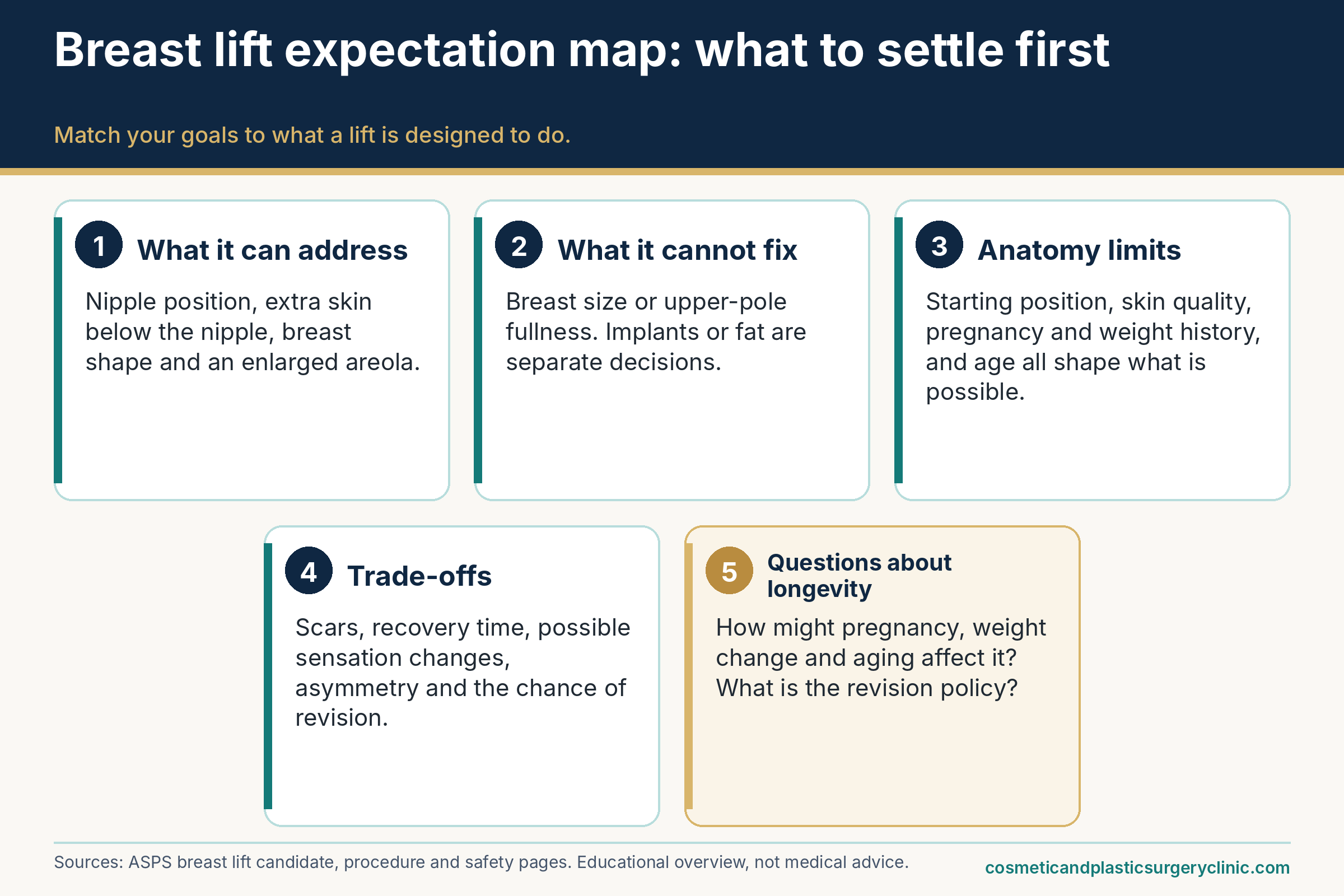
A simple four-step frame can organize your thinking. First, name what you hope will change, in your own words: higher nipples, less skin hanging below the fold, a tighter shape, a smaller areola. Second, separate those goals into things a lift addresses and things it does not, such as volume or upper fullness. Third, identify the anatomy limits that apply to you, including starting position, skin quality and history. Fourth, list the trade-offs you are prepared to accept, such as scars, a period of recovery, a possible need for revision, and some settling over time.
Consider a few illustrative scenarios. A reader whose main goal is a higher nipple and a tighter shape, with breasts she is happy with in size, has a goal that matches what a lift is designed to do. A reader who wants noticeably fuller upper breasts has a goal a lift alone is not designed to deliver, and the ASPS says so directly. A reader who is worried about scars but has significant skin excess may have to weigh those two desires against each other, which is why the ASPS says surgeons recommend incisions that fit the anatomy instead of compromising results to minimize scarring. None of these examples is an assessment of any individual; they show how goals and anatomy interact.
Photos contribute to this frame by showing you what the surgeon’s results look like for people with similar goals. They should not be used to set a target appearance. A target based on one person’s photo can leave you disappointed even after a technically good operation, because the photo captured her anatomy, healing and lighting. A target based on a description, such as “nipples at the fold or above, with a natural-looking lower pole, and scars I understand,” is more likely to match what actually happens.
Longevity, cost and recovery: connecting the photo to the plan
Three practical topics follow naturally from any gallery. The first is longevity. Because most photos are taken within a year or so, they say little about how a result holds up. Ask what the surgeon tells patients about gradual changes, and read the earlier discussion of how long breast lift results last before your consultation.
The second is cost. Photos often draw attention to a practice, and the next question becomes what it will cost. National averages, where published, describe a statistical middle across many practices and never predict a particular quote. Quotes differ by surgeon, facility, anesthesia, geography and whether other procedures are combined, and what is included in a fee, such as follow-up visits, garments, and revision policies, matters as much as the headline number. Ask for a written, itemized quote and a plain explanation of what happens if a revision is needed. We deliberately cite no prices here; our guide to breast lift cost explains the components.
The third is recovery. Photos of a result say nothing about the weeks it took to get there. The ASPS describes dressings, a support bra and sometimes a temporary drain, and tells patients to ask their own surgeon about timelines. Work, lifting, caregiving and travel plans all deserve a realistic look, which our overview of breast lift recovery addresses. If implants are part of your plan, remember that the FDA states they are not lifetime devices and that the risks and possible future surgeries belong in a separate decision.
Finally, consider alternatives and sequence. Some people explore whether a lift fits their goals or whether another approach, or a different timing, might fit better. That is a legitimate part of the process, and a surgeon who engages with alternatives, including doing nothing for now, is respecting your decision. The complete breast lift guide linked at the top of this page maps the full topic, and the other pages linked above go deeper on each question. When you leave the consultation, you should be able to say in your own words what the surgeon proposed, why, what the scars will be, what could go wrong, and what you still need to find out.
Frequently asked questions about breast lift before and after photos
How many breast lift before-and-after photos should I look at before a consultation?
No medical body sets a target number, so a count isn’t the useful measure. What helps is seeing enough cases to notice patterns: how results differ across starting anatomies, how scars look at different time points, and whether the gallery includes people who resemble you. Many readers find that studying a few cases closely, with attention to angle, timing and labeling, teaches more than skimming hundreds of images. Bring the ones that raised questions and ask the surgeon to walk you through what they show.
Are breast lift photos on Instagram or TikTok reliable?
They can be informative about what people are asking and how surgeons present their work, but they are weak evidence about what a procedure typically does. Feeds favor striking images, many posts omit timing and procedure details, and filters or edits are easy to apply. Use social posts as a reason to ask questions, then rely on a surgeon’s verified credentials, an in-person look at unedited photos, and professional society information for facts. A post with a named surgeon, clear labels and consistent photo conditions is more useful than one without them.
How can I tell whether a photo has been edited or flipped?
Certainty is difficult, but a few checks help. Zoom in on straight edges such as door frames, tile lines and the horizon, because warping tools bend them. Look for skin that is unnaturally even or for repeating patterns. Compare landmarks, such as a mole, a tattoo or a scar variation, with other images from the same account, since a flipped file moves them to the opposite side. A reverse image search can show whether the picture appears elsewhere under another name. The simplest test is asking to see the unedited originals during a consultation.
Why do my own breasts look different in different photos of myself?
Because posture, lighting, distance, clothing and the time of the month or day can all change what a camera records. Raising an arm, leaning slightly, or standing under a bright overhead light can alter how high or full a breast appears. If you want to track your own appearance for a consultation, use the same spot, the same lighting, the same posture and the same distance each time, and note the date. Your surgeon will still examine you in person, which gives more information than a photo can.
Should patient photos in a gallery show the person’s face?
There is no universal rule for cosmetic breast galleries, and many practices crop images at the chin or shoulders to protect privacy. Cropping a face does not make a patient unrecognizable if tattoos, birthmarks, jewelry or the room are visible, so permission still matters. What you can reasonably ask is whether every patient shown has given written consent for public use. The HHS de-identification guidance lists full-face photographs and comparable images as identifiers, which is one reason careful practices treat patient pictures as sensitive.
What does “results may vary” actually tell me?
Little on its own. The FTC’s health products guidance says that a disclaimer such as “results not typical” does not cure an exceptional testimonial and that an advertiser should disclose what a typical consumer can generally expect when an endorser’s result is unusual. In practice, the phrase is a reminder that outcomes differ, and nothing more. Ask the surgeon what range of outcomes they see for people with your kind of anatomy and what factors move a result toward one end of that range or the other.
Can I tell from a photo whether a patient had a lift only or a lift with an implant?
Not reliably. Noticeably fuller upper breasts may suggest added volume from an implant or fat transfer, but other factors such as swelling, lighting and posture can mimic that look, and implant incisions and lift incisions can overlap. The label and the surgeon’s explanation are more dependable than guesses. If implants are part of the picture, remember that FDA information states breast implants are not lifetime devices and that implant risks and later surgeries are a separate decision from the lift itself.
Do before-and-after photos show whether nipple sensation was preserved?
No. Sensation cannot be photographed. The ASPS lists changes in nipple or breast sensation, which may be temporary or permanent, among the possible effects of breast lift surgery. If sensation matters to you, ask the surgeon how often changes occur in their experience and in the published literature, what the typical course is, and how it is discussed during consent. Look beyond the picture for outcomes such as comfort, sensation and satisfaction, which questionnaires like the BREAST-Q aim to capture.
Is a red or raised scar in a three-month photo a bad sign?
Not necessarily. Scars continue to remodel for months, and a 2014 review reports that hypertrophic scars often redden and thicken for a few months before gradually fading over as long as roughly two years. That doesn’t mean every scar will fade as hoped, and it can’t be judged from a general article. If you are healing and worried about how a scar looks, contact your surgical team rather than comparing yourself with photos online. For a gallery, the point is to compare scars at similar time points.
What if a practice won’t show photos of patients like me?
There may be innocent reasons: the practice may have few patients with similar anatomy, may not have consent for more images, or may save certain photos for in-person viewing. Ask directly, and ask how the surgeon plans for anatomy like yours. A frank “I don’t have many cases like yours” is more informative than a vague reassurance. A second opinion from another board-certified plastic surgeon is a reasonable step when you can’t find comparable examples or when the explanation doesn’t satisfy you.
Can computer simulations replace before-and-after photos?
No. A simulation is an illustration made by software and operator choices, not a record of a real outcome, and this article did not locate published accuracy data that would justify treating one as a forecast. Some practices use imaging tools to discuss goals, which can be helpful for communication. If you see one, ask how the picture was produced, what it assumes and what limits the surgeon expects for your anatomy. Keep real, labeled photographs of past patients as the evidence and treat the simulation as a conversation aid.
If you are comparing surgeons, bring a short list of the questions above, check credentials independently, and take the time you need. Nothing about this decision requires speed.
Sources and further reading
- American Society of Plastic Surgeons — Breast Lift (Mastopexy) overview (accessed 2026-10-03) — scope of the procedure, what it does not change, weight-loss note
- American Society of Plastic Surgeons — Breast lift procedure (accessed 2026-10-03) — periareolar, vertical and inverted-T incisions; anesthesia; incision choice by anatomy
- American Society of Plastic Surgeons — Breast lift recovery (accessed 2026-10-03) — dressings, support bra, possible drain, ask your surgeon about timelines
- American Society of Plastic Surgeons — Breast lift risks and safety (accessed 2026-10-03) — listed risks including sensation change, asymmetry, contour irregularity and revision
- American Society of Plastic Surgeons — Breast lift candidates (accessed 2026-10-03) — causes of lost breast shape; lift does not change size; combining with augmentation or reduction
- American Society of Plastic Surgeons — 2025 Plastic Surgery Statistics Report (accessed 2026-10-03) — 156,131 breast lifts in 2025 versus 144,003 in 2024 (United States)
- American Society of Plastic Surgeons — What to look for in breast augmentation before-and-after photos (2018 blog post, accessed 2026-10-03) — comparable patients, scar placement, galleries as starting points
- American Society of Plastic Surgeons — Ten things to ask before having plastic surgery (2017 blog post, accessed 2026-10-03) — board certification, accredited facility, anesthesia provider, experience, second opinions
- American Society of Plastic Surgeons — How to avoid common mistakes when selecting your plastic surgeon (accessed 2026-10-03) — any licensed physician can advertise as a cosmetic surgeon
- American Board of Plastic Surgery — Verify certification (accessed 2026-10-03) — public verification tool and certification details
- U.S. Food and Drug Administration — Breast implants (accessed 2026-10-03) — labeling recommendations, boxed warning, patient decision checklist
- U.S. Food and Drug Administration — Risks and complications of breast implants (accessed 2026-10-03) — implants are not lifetime devices; reoperation
- Federal Trade Commission — Health Products Compliance Guidance (December 2022; accessed 2026-10-03) — testimonials, substantiation and the limits of “results not typical”
- Federal Trade Commission — FTC’s Endorsement Guides: What People Are Asking (modified July 2025; accessed 2026-10-03) — atypical results and material connections
- Federal Trade Commission — Final rule banning fake reviews and testimonials (August 14, 2024; accessed 2026-10-03) — fake and AI-generated testimonials, paid sentiment, fake social metrics
- U.S. Department of Health and Human Services — De-identification of protected health information (modified February 2025; accessed 2026-10-03) — full-face photographs and comparable images as identifiers
- U.S. Department of Health and Human Services — Marketing (reviewed 2013; accessed 2026-10-03) — authorization for marketing uses of health information
- Soares, Pires, Medeiros — The standardization of photographic records for oncoplastic and breast reconstructive surgery, Mastology 2017;27(4):352-358 (accessed 2026-10-03) — example breast photography protocol: views, distance, lens, lighting
- Persichetti et al. — Digital photography in plastic surgery: how to achieve reasonable standardization outside a photographic studio, Aesthetic Plastic Surgery 2007 (accessed 2026-10-03) — need for reproducible photographic standards
- Jemec and Jemec — Photographic surgery: standards in clinical photography, Aesthetic Plastic Surgery 1986 (accessed 2026-10-03) — small photographic variations undermine clinical photo value
- Hernandez et al. — Influence of light angles during standardized patient photographic assessment on aesthetic perception of the face, Aesthetic Plastic Surgery 2021 (accessed 2026-10-03) — lighting angle changed perceived appearance in a facial study
- Fish et al. — Mastopexy with augmentation mammoplasty, IntechOpen 2024 (accessed 2026-10-03) — Regnault categories, incision patterns, recurrent ptosis
- Mangubat — Breast anatomy, reduction and mastopexy, American Academy of Cosmetic Surgery CME presentation 2022 (accessed 2026-10-03) — ptosis classification, bottoming out, complications
- Ramadan — Mastopexy: a means to correct breast ptosis, Journal of Aesthetic Nursing 2023 (accessed 2026-10-03) — techniques, scar burden, reported loss of nipple lift at one year (secondary report of one study)
- Awan — Circumareolar versus circumvertical mastopexy with augmentation, Journal of King Abdulaziz University Medical Sciences 2017 (accessed 2026-10-03) — follow-up range in a surgical series
- Droha — A modified Pitanguy-Ribeiro technique for mastopexy, Bulletin of Medical and Biological Research 2025 (accessed 2026-10-03) — follow-up range and interval photography in a small single-center study
- Son and Harijan — Overview of surgical scar prevention and management, Journal of Korean Medical Science 2014 (accessed 2026-10-03) — wound-healing phases and scar maturation timing
- University of Kentucky via ScienceDaily — Breastfeeding and breast ptosis study (November 2007; accessed 2026-10-03) — single-center study of 132 women: age, pregnancies and smoking associated with ptosis, not breastfeeding
- Q-Portfolio — BREAST-Q (accessed 2026-10-03) — patient-reported outcome measure including a mastopexy module